Category: Article

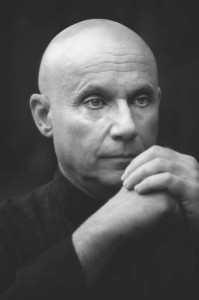
  • An Interview with Arthur Rosenfeld

    By HOLLY SWEENEY-HILLMAN
    May 2014, Academic Program Director


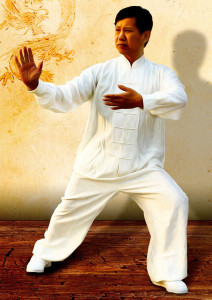
    5-Symposium_journal_page20_rosefeldAuthor Arthur Rosenfeld will be speaking at the 2014 International Tai Chi Chuan Symposium as well as doing a book reading from his latest novel, YIN, a love story about the life of Lao Tsu. Arthur’s non-fiction book, Tai Chi – The Perfect Exercise, will also be featured at the Symposium. Tai Chi – The Perfect Exercise, was published in 2013 and has become a must-have book for Tai Chi enthusiasts and martial artists.
    Holly: You have studied at many distinguished institutions in the United States and abroad. Which one, or ones, have inspired you the most to become the person you are? 

    Arthur: Institutions themselves don’t inspire me. I have, however, been inspired by certain individuals, and most of all by great ideas and, of course, relationships. I’ve had wonderful teachers going back to my early school years. Often, they led me to a Taoist worldview without ever knowing they were doing so. They were, for the most part, monistic, non-dual teachers, who saw everything as being united, and wept bitter tears for the destruction of the oceans and rainforest and other environmental cataclysms, that even back then, were the beginning of what we now call the 6th great extinction, a disaster of truly geologic proportions that our species has caused.

    (more…)

  • Grandmaster Ma Hailong

    5-Symposium_journal_page16_image1

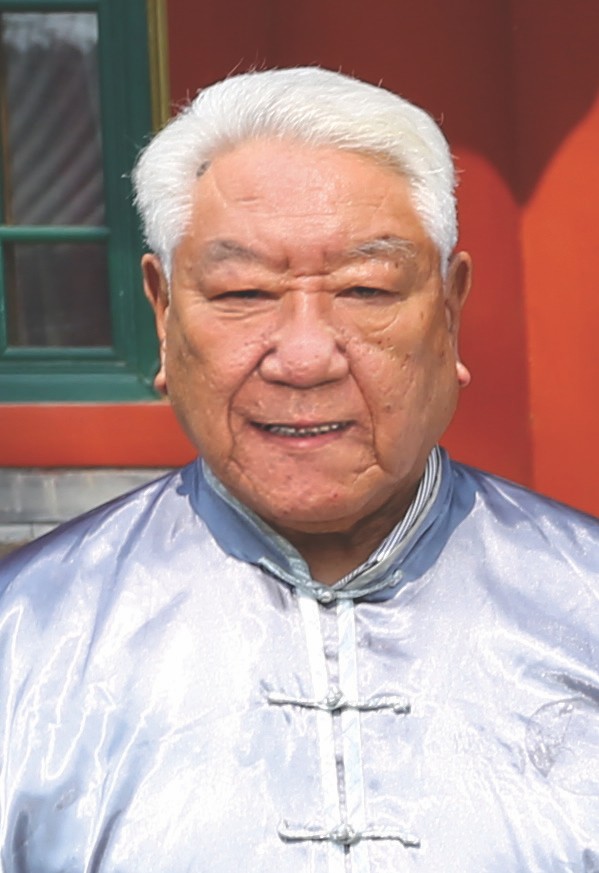
    Grandmaster Ma Hailong was born in 1935 into one of China’s most distinguished 

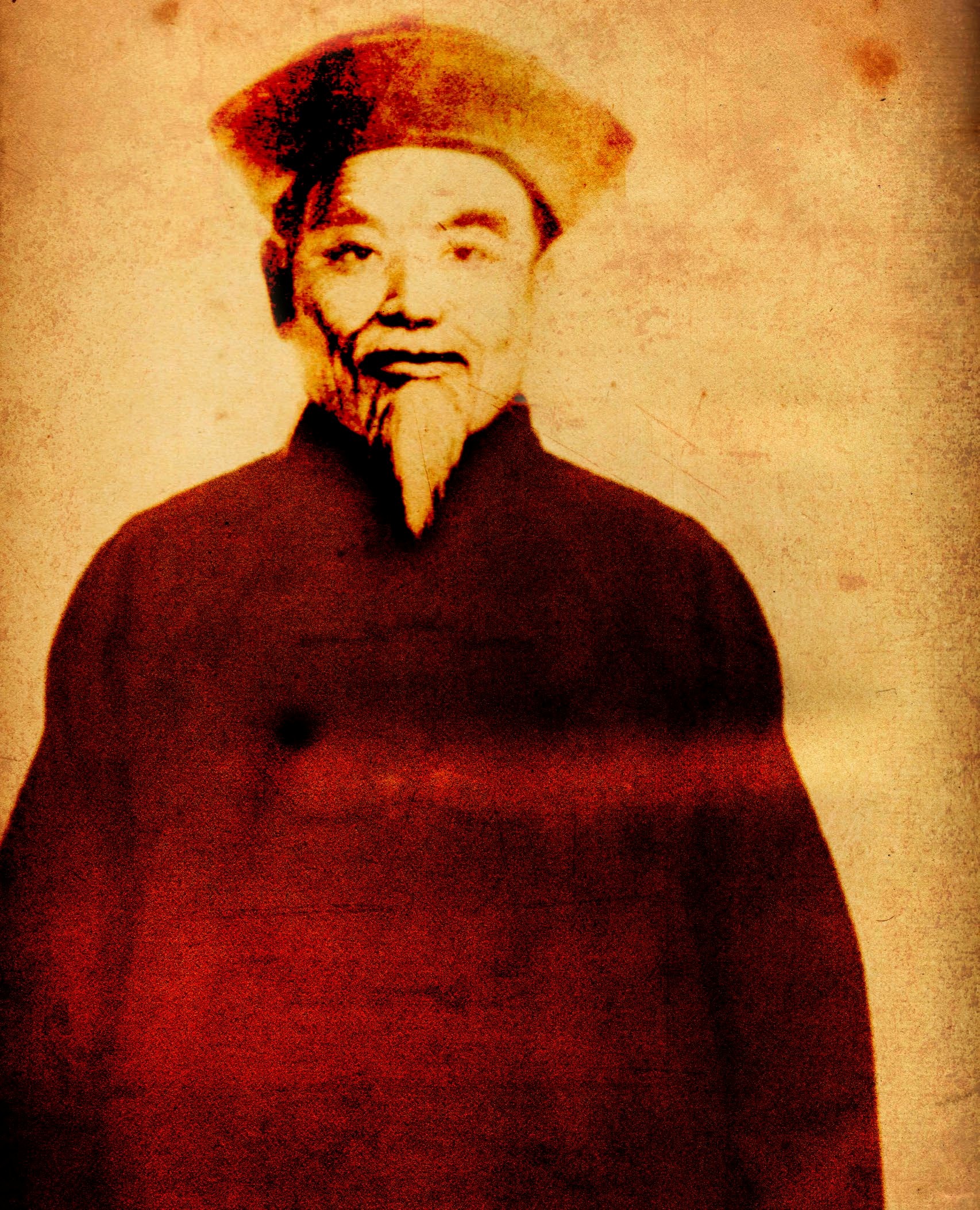
    martial arts families. His great-grandfather, Quan You (1834 – 1902), was an officer of the Imperial Guards Brigade in Beijing’s Forbidden City. At this time, Yang Luchan (1799-1872) was a martial arts instructor there and for many years Quan You studied with Yang Luchan and his eldest son, Yang Banhou. 

    Grandmaster Ma’s grandfather, Wu Jianquan (1870-1942), was a cavalry officer who subsequently taught Tai Chi Chuan and developed from his father’s art what is now the Wu style. Utilizing the “small frame” his father had learned from Yang Luchan, he made important modifications utilizing narrower circles and the distinctive footwork and body positions now seen in Wu style Tai Chi Chuan. In 1914, along with his colleagues Yang Shaohou, Yang Chengfu and Sun Lutang, he began teaching publicly at the Beijing Physical Culture Research Institute. As he taught to the general public, he continued to make modifications to his style, refining the more overt martial techniques in much the same way that Yang style has, making the motions slower and smoother for a wider appeal. In 1928, Wu Jianquan moved to Shanghai and formed the Wu style Tai Chi Chuan Association in 1935.

    Grandmaster Ma’s father, Ma Yuehliang (1901-1998), began studying with Wu Jianquan at the age of 18. In 1930 he married Master Wu’s daughter, Wu Yinghua (1906-1996), and served as deputy director of the Shanghai Association.

    From the age of 6, Grandmaster Ma began learning Tai Chi Chuan in this especially rich environment. Both his parents were accomplished teachers and his uncles had studied intensively with his grandfather. He remains dedicated to this day to sharing his family’s traditions.

    For over 70 years Grandmaster Ma has been practicing his family’s techniques and is now President of the Shanghai Wu Style Tai Chi Chuan Association. His traditions emphasize focused, tranquil and consistent practice. Master Ma’s performances are characterized by a high degree of expressed equilibrium and natural calmness. He holds a doctorate in Chemistry and since his retirement as a professor, he dedicates his efforts to expanding the practice of Wu style Tai Chi Chuan.

    It is an honor to have Grandmaster Ma Hailong at the 2014 Symposium.

  • Wu Style Tai Chi Chuan

    Wu style originated from Quan You (1834 – 1902) who was born in Da Xing County, Beijing. He was a Manchurian and a member of the Imperial Guard in Beijing. He learned the art of Tai Chi Chuan directly from Yang Luchan, and also under his son, Yang Banhou. Quan You later modified what he learned, and his art evolved to be recognized as a separate style of Tai Chi Chuan. His style became known as the Wu School because his son Wu Jianquan (1870-1942), himself an accomplished master, adopted a Han family name “Wu”. Hence Quan You, through his son Wu Jianquan is honored as the founder of the Wu School of Tai Chi Chuan.

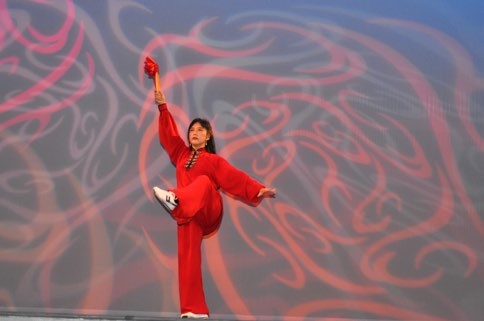
    Wu Jianquan also modified the forms taught to him by his father. In 1928 he moved to Shanghai and was appointed to the Board of Directors of the Shanghai Martial Arts Association. He also became the supervisor of the Tai Chi Chuan section of the Jing Wu Association.

    The first Wu Tai Chi Chuan Academy was established in Shanghai in 1935 and was directed by Master Wu Jianquan, with his son-in-law Ma Yuehliang as vice-director. Ma Yuehliang (1901 – 1998) was a student of Wu Jianquan and was the husband of Wu Yinghua (1905 – 1996), the third child and first daughter of Wu Jianquan. She was recognized as the senior instructor of the Wu family in China, along with her husband. Besides his daughter, Wu Jianquan also had two sons, Wu Gong Yi and Wu Gong Zao who also helped to spread the art.

    Wu style’s distinctive hand form, push hands and weapons training emphasize parallel footwork and horse stances, with the feet relatively closer together than the modern Yang or Chen styles. It includes small circle hand techniques (although large circle techniques are taught as well). Wu style has an initial focus on grappling, throws, tumbling, jumping, foot sweeps, and at advanced levels, pressure point leverage, joint locks, and breaks. It seems to have a distinct forward leaning but actually the leaning is around the center. It is very rooted.

    Wu style will be represented at the 2014 Symposium by Grandmaster Ma Hailong, the son of Masters Ma Yuehliang and Wu Yinghua.

  • Morning Sunrise Practices

    5-Symposium_journal_page11_image1During the Symposium, join us for daily morning sunrise practices Monday to Friday, 6:15-7:00 a.m. These practices present exercises and movements that are related to Tai Chi Chuan but are different from practicing a form or sequence. The morning sunrise practices are a wonderful way to begin your day in tranquility and they will contribute to your sense of physical and mental well-being and enhance your experience of the Symposium. Practices are both indoor and outdoor.

    Outdoor practices take place Monday, Tuesday, Wednesday and Friday and are led by a different Grandmaster each morning. The Grandmasters will introduce some early morning exercises that are customarily used within their style. Enjoy this unique chance to learn these exercises. You do not need to know the traditional form of each style to follow along. You will enjoy these practices regardless of your style or level of experience. The outdoor morning sunrise practices will be held at Fourth Street Live!, under the covered area close to the Seelbach Hotel. (For those staying in the Spalding University dorms, walk north on Street about a ½ mile and you will see the covered area.) Traffic is blocked off to this area and we will be practicing right on the street. 4th Street Live! is Louisville’s premier dining, entertainment and retail destination located on 4 th Street between Liberty Street and Muhammad Ali Boulevard.

    Indoor practices take place Monday, Tuesday, Wednesday, and Friday, 6:15-7:00 a.m. They are led by a different Yang Family Center Director from a different country each morning (except Thursday) and will be held in the Spalding University Center Gymnasium. These guest leaders will present gentle movements and exercises, selecting from their own resources and preferences. They will not lead a practice in any of the special forms the Grandmasters are introducing.

    Greater Louisville Community Open Tai Chi Practice, Thursday July 10, 6:15-7:45 a.m. Thursday morning, everyone goes to the “Greater Louisville Community Open Tai Chi Practice”, at Fourth Street Live!, where the general public is invited to come and practice with all of the Grandmasters in turn. This special event is in partnership with the “Mayor’s Healthy Hometown Movement”, launched by Louisville Metro Government to create a culture of health and wellness with a vision of its becoming one of the healthiest cities in America. The Symposium is delighted to have this opportunity to showcase the Grandmasters, who exemplify living a healthy way of life, and to include community members in the Symposium morning’s activity

  • Don’t Miss the Symposium!

    Dears Friends,


    I attended the last Symposium in 2009 in Nashville. It was an excellent and amazing experience, because we learned so much with the 5 great masters and all academics. It was a privilege to learn directly from the source with the 5 leaders of the 5 traditional Tai Chi Chuan styles.

    I recommend the second Symposium to everybody: if you are a Tai Chi Chuan practicioner, don´t miss the next Symposium; If you don´t know  Tai Chi Chuan, don´t miss the next Symposium too, because it will be a great opportunity to learn directly from the source. Tai Chi Chuan can help all of us to improve our health and life quality, then, go and attend the International Tai Chi Chuan Symposium in Louisville next July and enjoy the amazing wisdom of the Great Tai Chi Chuan Masters.


    Fernando De Lazzari – from Ribeirão Preto city, Brazil.

  • Evening Events

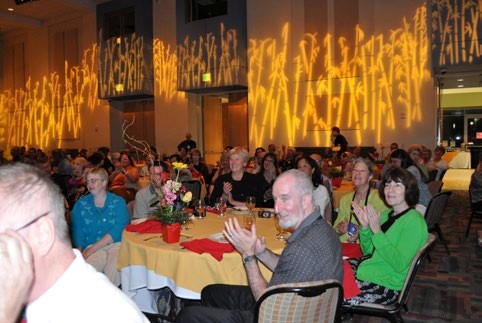
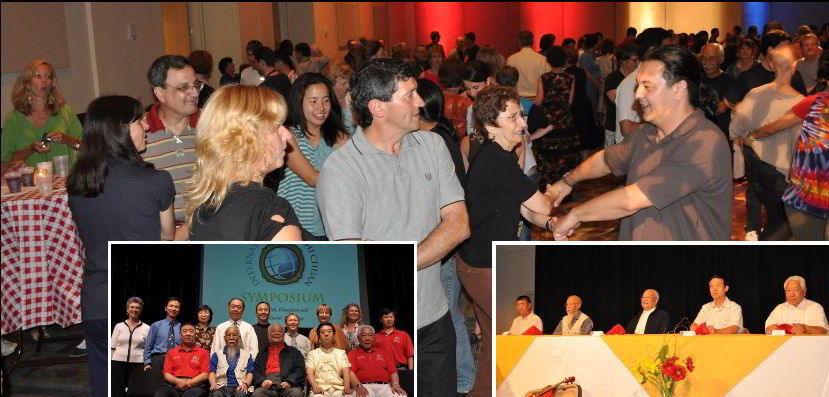
    Symposium_journal_page16_image3Symposium_journal_page16_image2There are many entertaining evening events planned for the 2014 International Tai Chi Chuan Symposium.

    Here’s an overview:

    Grand Opening Ceremonies

    Sunday July 6, Spalding University Center Building Ballroom. Join us for an evening of introductions and Dr. Daniel Shulz’s opening keynote: “The Learning Brain”. Dr. Shulz is the Director of Research at the National Center for Scientific Research, France. The Grandmasters will introduce the traditional styles of Tai Chi Chuan. The Symposium program and schedule, including the Certification program will be introduced. Meet Symposium staff and volunteers.

    Welcome Banquet

    Monday July 7, Seelbach Hilton Hotel. This banquet is a nice opportunity to take the time to be together with fellow Symposium attendees and Grandmasters and enjoy a fine-dining experience, toasts, and presentations. We hope you will join us!

    Academic Keynote/Panel Discussion

    Tuesday July 8, Spalding University Center Building Auditorium. This evening event features well-known speaker Arthur Rosenfeld and his keynote: “Tai Chi Brain, Tai Chi Mind”. There will also be a panel discussion with the Grandmasters and researchers engaged in fascinating questions and answers examining the traditional Chinese and modern scientific points of view regarding tai chi chuan and its effects. Time will be made for an open forum with questions from Symposium participants.

    eventsGrand Showcase

    Thursday July 10, Spalding University Center Building Auditorium. This is an evening of not only great performances, but also cultural exchange among nations. Join us for a rare and extraordinary exhibition of inspiring performances from the Grandmasters, individuals and groups and more! An entertaining evening of tai chi chuan, music, and fun.

    Friendship Party & Farewell

    Friday July 11, Muhammad Ali Center. After the Closing Ceremonies in the late afternoon and closing keynote by Arthur Rosenfeld, join us for one last evening of celebration. Your Symposium registration includes a tour of the facility and museum, courtesy of the Ali Center. End your Symposium experience feeling inspired by Muhammad Ali’s story and inspired to achieve your goals! Enjoy a light dinner, photos, and friendships that you have made during the past week.

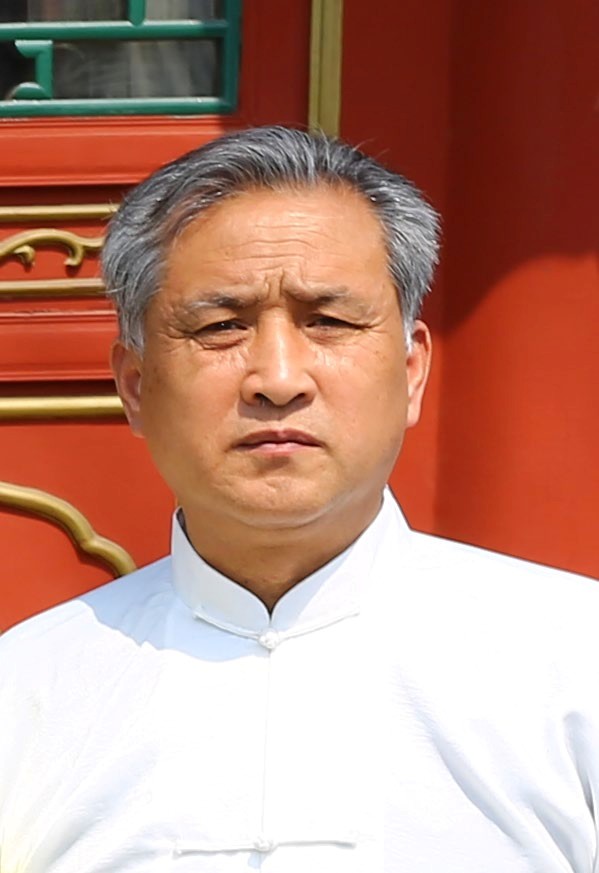
  • Grandmaster Zhong Zhenshan

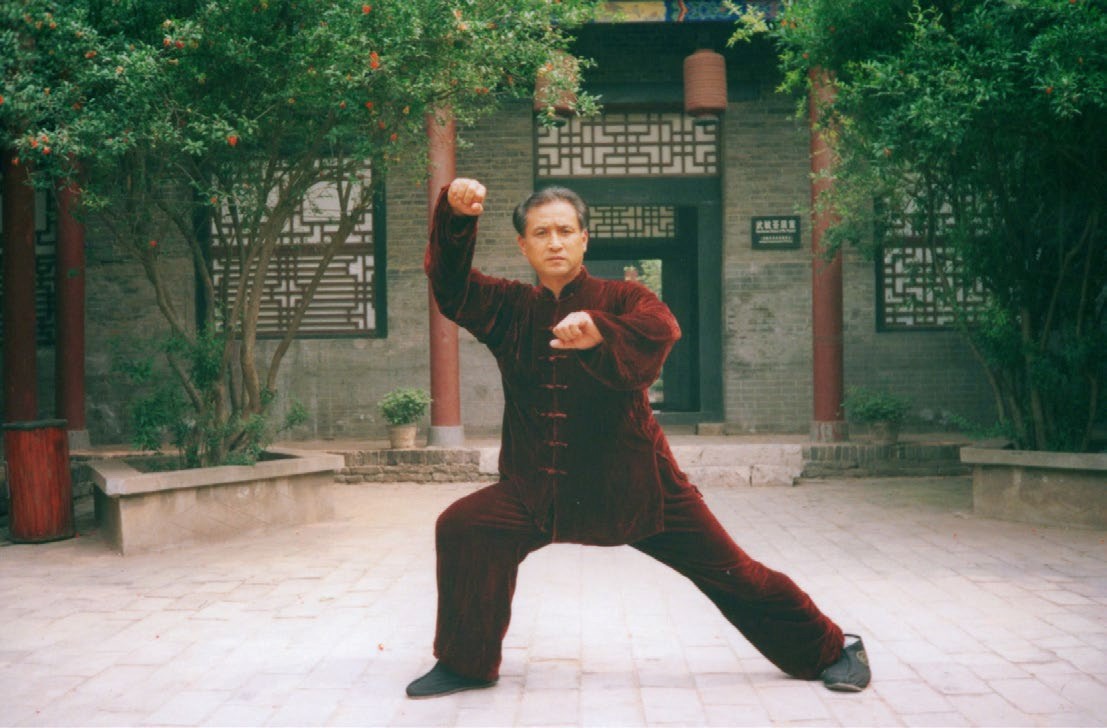
    Symposium_journal_page14_image1Wu/Hao Style Tai Chi Chuan will be represented at the 2014 International Tai Chi Chuan Symposium by Grandmaster Zhong Zhenshan. Grandmaster Zhong Zhenshan was born in the town of Guangfu, Yongnian County, Hebei Province in 1949. He became a formal disciple to Yao Jizu at the age of 13.

    He has many notable accomplishments in Tai Chi Chuan practice and theory. A prolific author, Grandmaster Zhong Zhenshan has published more than 20 essays about Tai Chi Chuan, such as “On Listening Jin and Understanding Jin”, “The Softness and Hardness of Taijiquan”, “On Adhering, Connecting, Sticking and Following”, “The Mechanical Tenets of Listening Jin and Understanding Jin”, “A Brief Talk on Life Cultivation and Fighting of Wu-Style Taijiquan”, among others.

    Symposium_journal_page15_image3In 1996, he was one of the compilers for “The Contest Form of Wu-Style Taijiquan”. In 1998, he helped Yao Jizu compile “The Complete Book of WuStyle Taijiquan”. In 2006, his “Wu-Style Taijiquan” became part of “The Treasures of Chinese Martial Arts”. In 2009, he published “The Course of Wu-Style Taijiquan Duanwei”.

    Grandmaster Zhong Zhenshan has won gold medals in Tai Chi Chuan contests many times. He has successively held the post of general instructor for the one thousand-person Tai Chi Chuan performances at the Yongnian International Tai Chi Chuan Conference. He was named a great Tai Chi Chuan Master in 1998 and has performed many demonstrations for various Tai Chi Chuan conferences. He continues to teach in China and abroad.

    Grandmaster Zhong Zhenshan is one of the 5th generation representatives of Wu/Hao Style Tai Chi Chuan and is the 5th generation lineage holder of the style. It is an honor to have Grandmaster Zhong Zhenshan at the 2014 International Tai Chi Chuan Symposium.

  • Wu/Hao Style Tai Chi Chuan

    Symposium_journal_page10_image1Wu/Hao Style Tai Chi Chuan was founded by Wu Yuxiang (1812-1880) who was a native of what is now called Guangfu Town, Yongnian County, Hebei Province. This town was also home to Yang Luchan, founder of Yang Style Tai Chi Chuan. Wu Yuxiang and his two brothers began studying under Yang Lu Chan. Later, Wu Yuxiang learned from Chen Qingping at the Zhaobao village.

    Wu Yuxiang was a wealthy scholar. He didn’t teach many tai chi students but used his scholarly talents to write a lot about tai chi chuan theory as well as other tai chi styles. His Tai Chi Chuan was made famous mostly through the efforts of the Hao family. Hao Weizhen (1842-1920) learned Wu Yuxiang’s style from Wu’s nephew Li Yiyu. Hao Weizhen passed his knowledge to his son Hao Yueru and grandson Hao Shaoju. He also taught this style to Sun Lutang, the founder of Sun style.

    Wu/Hao Style Tai Chi Chuan is distinctive with small, subtle movements. It is slow, smooth, small, and focused on balance, sensitivity, and internal qi development. With its high postures, it appeals to those who regard the lower-stance styles as being hard on the knees. Wu/Hao Style Tai Chi Chuan is one of the major styles practiced, though it is rare compared with the other major styles and is still relatively unknown in the West.

    Today, Zhong Zhenshan and Wu Wenhan are both 5th generation Grandmasters of Wu/Hao Style Tai Chi Chuan and Zhong Zhenshan is the 5th generation lineage holder of the style.

    Wu/Hao is a term unique to the West. In China, both Wu/Hao and Wu styles are called Wu after their founders Wu Yuxiang and Wu Jianquan. However, the Wu names have different pronunciations. In Chinese:

    Wu/Hao =Wǔ

    Wu = Wú

    In English, there are no different pronunciations for Wu as in Chinese, so we have distinguished the two Wu’s by another way. Thus “Hao” has been added, named after Hao Weizhen who helped popularize Wu Yuxiang’s style, but did not develop it differently from its Founder.

  • The Yang Family Tai Chi Chuan Foundation

    Symposium-newsletter-3_page22_image1The 2014 International Tai Chi Chuan Symposium is a project of the Yang Family Tai Chi Chuan Foundation.  The Foundation became a federally recognized 501 (c)(3) non-profit organization in 2012. Formed by Grandmaster Yang Jun, the Foundation’s mission is to promote health and longevity to mankind through Tai Chi Chuan.  This mission will be fulfilled in various ways.

    One way is the promotion  of Tai Chi Chuan  through  hosting high-standard events, such as the International Tai Chi Chuan Symposium.  The goal is to raise awareness of Tai Chi Chuan in the general public as well as provide quality educational events for beginning and advanced practitioners.  The Symposium is one example of such an  event and  of how support  of the Foundation  increases awareness of not  only Yang style Tai Chi Chuan,  but  awareness of Tai Chi Chuan in general in the greater community.

    Symposium-newsletter-3_page23_image2Another  area of the  Foundation’s mission  is the  awareness of traditional Tai Chi Chuan culture. This includes education in traditional customs,  rituals,  morals,  and  protocols  for  teachers  and  students that  have historically been part  of traditional  Chinese martial  arts. In modern society, some teachers and students are not aware of these special traditions.  The Foundation offers teachers knowledge of these cultural traditions so that teachers can pass them on to students if they choose.

    Finally, the  Foundation  aims  to  create a standard  curriculum for students, one that includes a traditional direction of study yet fits with modern education.  This approach includes both a Chinese and a Western academic understanding of Tai Chi Chuan.  The Foundation seeks support for developing such a curriculum and inviting specialized experts to teach various topics.

    Donations to the Yang Family Tai Chi Chuan Foundation contribute to an organization dedicated to high quality Tai Chi Chuan education, the promotion of Tai Chi Chuan in the world, and ultimately the support of an art that can positively affect the health, wellness and lives of people around the world.

    yangfamilytaichifoundation.org

  • Grandmaster Yang Jun

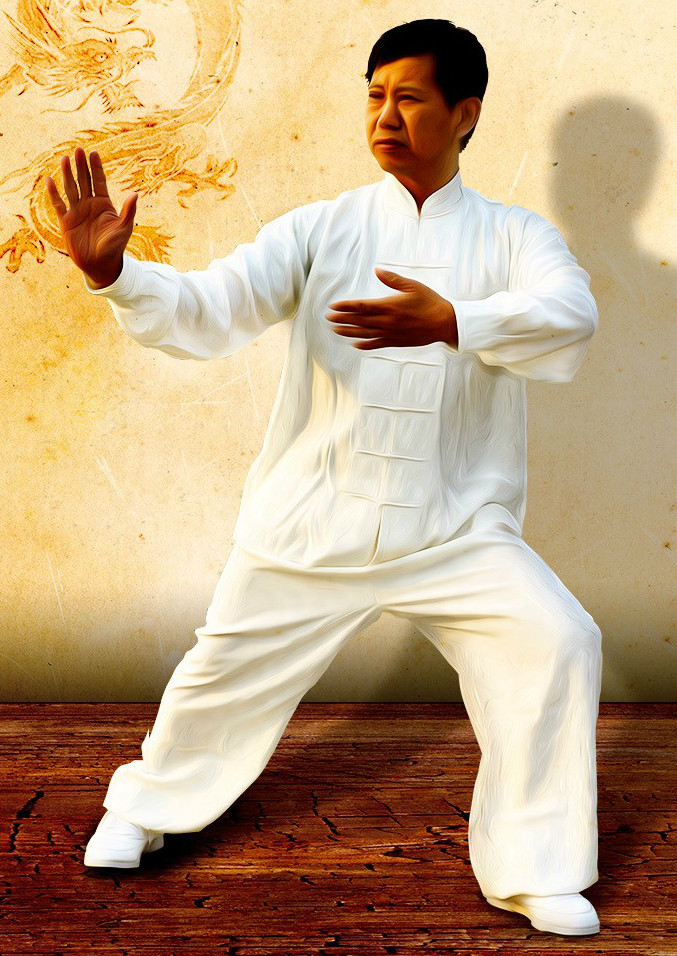
    combine_imagesYang  Style Tai Chi  Chuan  will be represented  at  the  Symposium by Grandmaster Yang Jun, a 6th generation descendent who officially became the 5th generation direct-line inheritor of Yang Family Tai Chi Chuan in 2009.

    Grandmaster Yang Jun was born in 1968 in Taiyuan, Shanxi, China.  He grew up in a martial arts family, living with his grandparents and watching his grandfather, Grandmaster   Yang  Zhenduo,   train   students.     He  began  training   with  his grandfather at age five.

    In 1989, he graduated from Shanxi University with a degree in physical education. He often assisted his grandfather teaching domestically, and in the 1990s began assisting his grandfather internationally.  In 1995, he received the title of “Shanxi Province Famous Wushu Master” by the Chinese Wushu Association.   He was also active in the Shanxi Province Yang Family Tai Chi Chuan Association and is a former Vice-President of that organization.

    In 1999, Grandmaster  Yang Jun created the International  Tai Chi Chuan Association and moved to the US, with his grandfather’s support, to develop the Association. The Association was created to bring traditional Yang Family Tai Chi Chuan practitioners together to promote a system that would bring the family’s standard of practice to a worldwide audience, and also develop teachers.  It has one of the most complete systems of training, allowing members to make progress from  being a  beginning  student  with little knowledge of Tai Chi Chuan  to becoming a highly qualified instructor. The Association is organized to include a ranking system, judge registry, instructor    registry,   and teacher academy.

    One of Grandmaster Yang Jun’s finest achievements has been the global growth and development of the Yang Family Tai Chi Chuan Association. Starting with no members, today the Association is the largest organized group of Yang Style Tai Chi Chuan practitioners outside of China. He has grown it to thousands of members, with teachers in 22 countries and 62 Yang Chengfu Tai Chi Chuan Centers and affiliated schools. Grandmaster Yang Jun has been especially successful in spreading his family art widely in Europe to now eleven European countries and has also greatly expanded the number of countries in South America. He has also grown greatly the number of centers throughout Asia and North America. As a result, thousands of people worldwide have been able to benefit from learning Tai Chi Chuan. He has also produced a variety of training DVDs, including teaching and demonstrating the traditional 103 hand form and 49 hand form, sword, saber, and push hands.

    Grandmaster Yang Jun currently lives in the Seattle area and is the Director of the Yang Chengfu Tai Chi Chuan Center in Redmond, Washington, USA. Every year he travels widely nationally and internationally to teach numerous seminars. Since 2012, he has been a guest professor for the Tai Chi Chuan program at Handan University, China. Recently, he created the Yang Family Tai Chi Chuan Foundation, a non-profit organization dedicated to promoting health and longevity to all through Tai Chi Chuan, educating teachers and practitioners, and preserving traditional Chinese martial arts culture and training. He is the President of the 2014 International Tai Chi Chuan Symposium; a project of this Foundation.

    It is an honor to have Grandmaster Yang Jun at the 2014 Symposium.